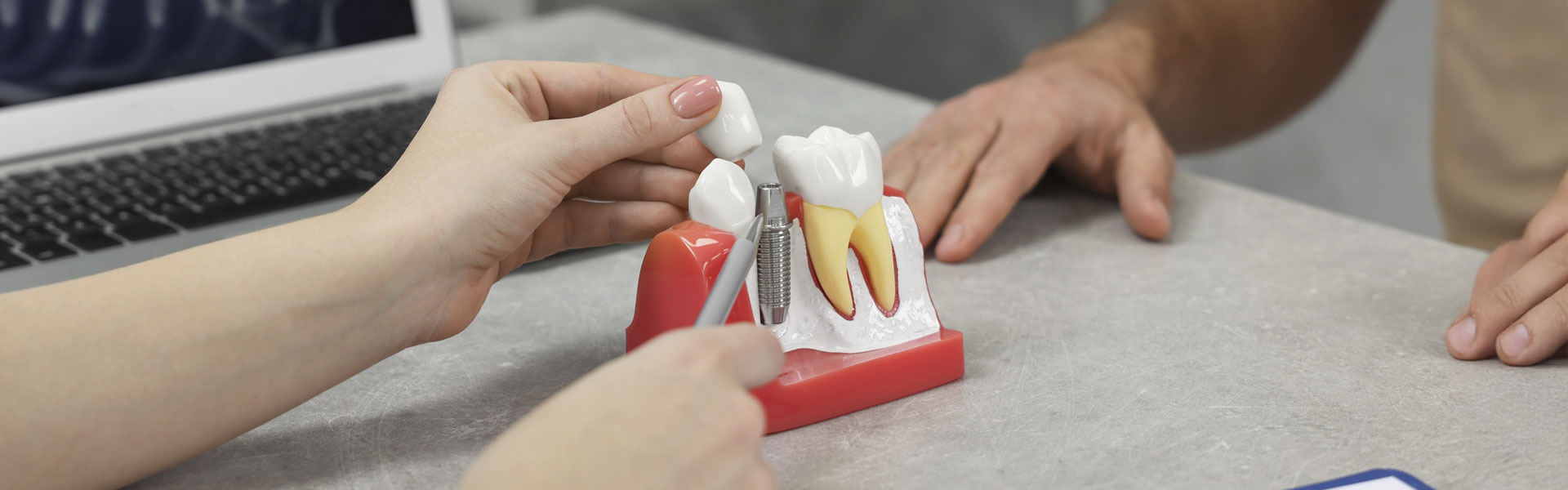
What to Expect During Dental Implant Recovery
If you’ve chosen to restore your smile with Dental Implants in Worcester, MA, congratulations — you’ve taken one of the most reliable steps toward lasting oral health. Dental implants not only look and feel natural but also provide strength and stability that other tooth replacements can’t match.
While the surgery itself is straightforward, the recovery period is a crucial part of the process. Knowing what to really expect helps you feel prepared and confident every step of the way.
Let’s walk through what typically happens after implant surgery — from the first few days of healing to the long-term care that ensures your new smile lasts for years.
The First Few Days After Surgery
The initial few days after dental implant surgery are all about rest and gentle care. It’s normal to feel mild swelling, tenderness, and slight bleeding at the implant site. These are signs that your body is healing.
Here’s what you can expect right after the procedure:
- Mild discomfort that improves within a few days
- Minor swelling around the gums or cheeks
- Small traces of blood in your saliva
- Tiredness or soreness near the implant area
Your dentist in Worcester will likely prescribe pain medication or recommend over-the-counter options to manage discomfort. Applying an ice pack for short periods during the first 24 hours helps reduce swelling.
Recovery Tips for the First 48 Hours:
- Rest and avoid strenuous activity.
- Keep your head slightly elevated when lying down.
- Don’t spit forcefully or use a straw — it can dislodge the blood clot.
- Avoid hot drinks, as heat can increase bleeding.
- Rinse gently using warm salt water after 24 hours.
Most people feel significantly better within a few days, and many return to normal routines within a week. However, healing beneath the surface continues for several months as the implant fuses with the jawbone.
Eating and Drinking During Healing
What you eat after your implant procedure can make a big difference in how quickly and comfortably you heal. Your mouth needs time to recover, so focus on soft, nutritious food items that are easy to chew and gentle on your gums.
Foods to Eat in the First Week:
- Smooth soups and broths
- Yogurt or pudding
- Mashed potatoes or oatmeal
- Scrambled eggs
- Smoothies (without seeds or straws)
- Applesauce and bananas
Avoid these until cleared by your dentist:
- Crunchy or hard foods (nuts, chips, raw veggies)
- Sticky candies or chewy foods
- Spicy or acidic meals that can irritate gums
- Hot beverages that can prolong bleeding
As you heal, your dental clinic in Worcester may recommend gradually reintroducing firmer foods. Everyone heals at a little different pace, but most people can return to a regular diet within a few weeks.
Pro Tip:
Keep hydrated — water helps flush bacteria and supports faster healing. Refrain from alcohol and smoking, as both of these can delay recovery and enhance the risk of infection.
Daily Care for Your Implants
Proper care during recovery ensures that your dental implants integrate successfully and last for years. Even though the area may feel sensitive, it’s important to keep your mouth clean to control infection.
Here’s how to care for your implants daily:
-
- Brush Gently
Utilize a soft-bristled toothbrush to nicely clean your teeth twice a day. Be gentle around the implant site for the first week, then gradually return to normal brushing.
-
- Rinse Smart
Avoid mouthwash containing alcohol. Instead, rinse with warm salt water or a dentist-recommended antibacterial rinse to soothe and disinfect the area.
-
- Floss Carefully
Once healing gets better, use unwaxed floss or a water flosser to clean properly around the implant and control plaque buildup.
-
- Avoid Pressure
Don’t chew directly on the implant site until it has healed completely. Stick to the opposite side when eating.
-
- Attend Follow-Up Appointments
Your dentist will track your healing progress and ensure the implant is fusing properly with the bone. These checkups are vital to long-term success.
Over time, your dental implant should feel as natural as your real teeth — but maintaining good oral hygiene remains key.
Signs of Normal Healing vs. When to Call Your Dentist
After surgery, it’s completely normal to experience some swelling, mild bruising, and sensitivity. These symptoms typically improve within a few days and should steadily decrease over time.
Normal Signs of Healing:
- Minor swelling for 3–5 days
- Slight discomfort or tightness at the implant site
- Light bleeding that stops within a day or two
- Gradual improvement in overall comfort
However, it’s important to know when something might not be healing correctly. In rare cases, an infection or implant issue may develop.
Call your dentist immediately if you notice:
- Intense or worsening pain after the third day
- Persistent bleeding that doesn’t stop
- Severe swelling or pus near the implant
- A loose implant or wobbly feeling when you bite
- Fever or chills (possible signs of infection)
Prompt attention can make huge difference in preserving your implant and preventing complications. If you ever feel unsure, don’t hesitate to reach out to a dentist near you for reassurance and evaluation.
How Long Does Recovery Take?
Healing time varies depending on your health, the number of implants placed, and how your body responds. Most patients return to normal activities within a week, but full integration — when the implant fuses with the jawbone — takes several months.
General timeline:
- First 24–48 hours: Swelling and mild discomfort peak.
- 3–7 days: Most people resume regular activities.
- 2–6 months: The implant fully integrates with the jawbone.
- After 6 months: The permanent crown or restoration is attached.
During this time, patience and good oral care pay off. The better you follow post-surgery instructions, the smoother and faster your recovery will be.
Maintaining Your Implant Long-Term
Once your dental implant has healed, maintenance becomes simple — just like caring for natural teeth. Consistent brushing, flossing, and dental checkups will help your implant last decades.
Long-term care tips:
- Schedule cleanings every six months.
- Avoid utilizing your teeth to open packages or bite hard objects.
- Wear a mouthguard in case you frequently grind your teeth at night.
- Eat a nice, balanced diet rich in calcium and vitamins.
A well-cared-for implant can last a lifetime — and with regular follow-ups at Tatnuck Family Dental Care, your smile will stay really strong and healthy for many years to come.
Final Words
Dental implant recovery is a gradual but rewarding process. With proper care, patience, and guidance from your dentist, your new implant will feel completely natural and restore both function and confidence.
Your journey to a truly confident, lasting smile starts with informed care and a trusted dental partner — and that’s exactly what Tatnuck Family Dental Care is here to provide.